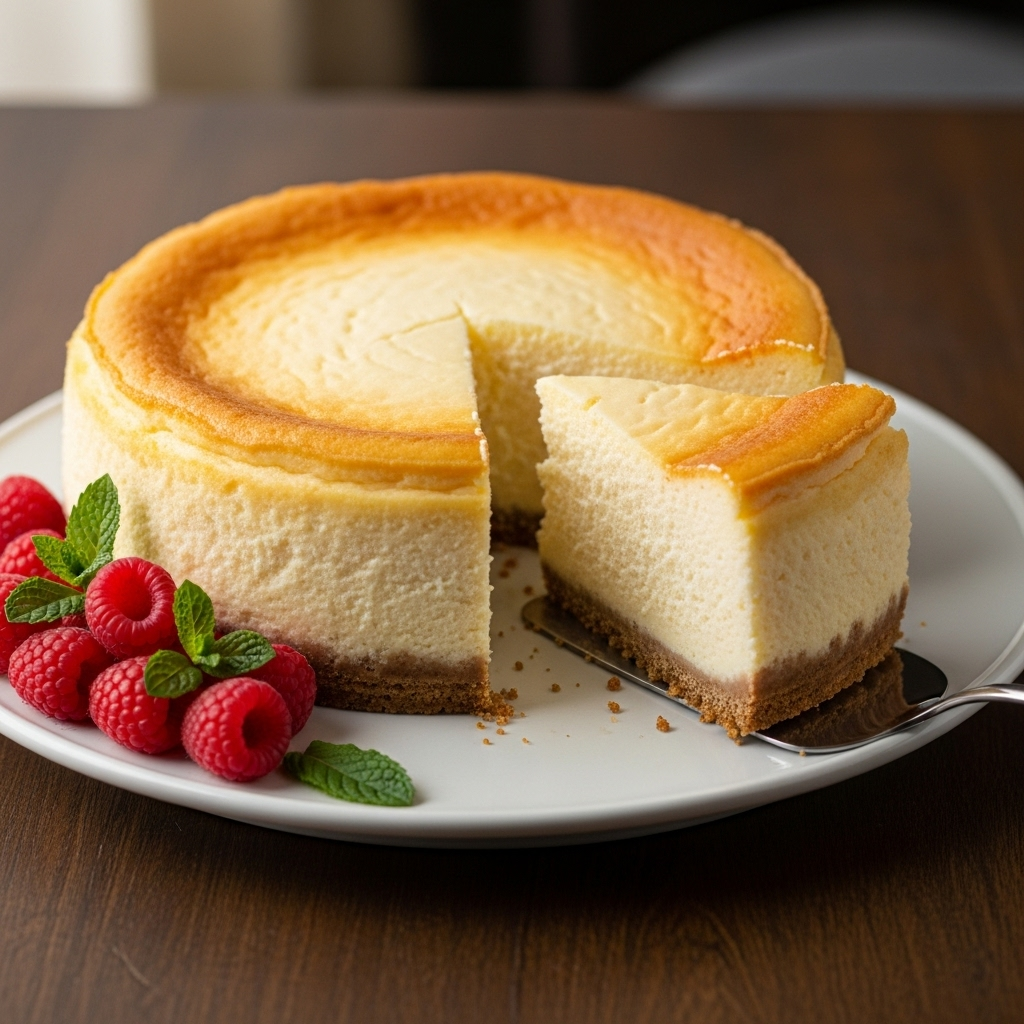

Welcome to the ultimate guide for baking a truly spectacular Classic New York-Style Cheesecake. In the realm of desserts, few creations command the same reverence and adoration as a perfectly executed New York-style cheesecake. Known for its incredibly dense, smooth, and creamy texture, coupled with a subtly tangy flavor that balances its richness, this iconic dessert is a testament to simple elegance. It’s more than just a dessert; it’s an experience, a slice of creamy perfection that melts in your mouth. Our detailed recipe will walk you through every step, ensuring you achieve that coveted texture and flavor that defines an authentic New York cheesecake, making you a cheesecake connoisseur in your own kitchen.
Ingredients
Achieving the characteristic richness and creaminess of an authentic New York cheesecake begins with the right ingredients, prepared at the right temperature. For best results, ensure all dairy products are at room temperature. This helps in creating a smooth, lump-free batter, preventing overmixing, which can introduce too much air and lead to cracks.
For the Graham Cracker Crust:
- 1 ½ cups (approximately 180g) Graham cracker crumbs: You can buy pre-crushed crumbs or crush your own from whole Graham crackers using a food processor or a rolling pin.
- ¼ cup (50g) Granulated sugar: Adds a touch of sweetness to the crust.
- ½ cup (113g) Unsalted butter, melted: Binds the crumbs together, ensuring a firm, yet tender crust.
For the Cheesecake Filling:
- 4 (8-ounce / 226g each) packages full-fat cream cheese, softened at room temperature: This is the cornerstone of an authentic New York cheesecake. Use only full-fat block cream cheese, not the whipped or spreadable kind, for the desired density and richness.
- 1 ¾ cups (350g) Granulated sugar: Provides the sweetness.
- ¼ cup (50g) All-purpose flour: A small amount of flour acts as a stabilizer, helping to prevent cracks and contributing to the dense texture.
- 1 tablespoon Lemon zest (from 1-2 lemons): Enhances the classic tangy flavor, brightening the overall taste.
- 1 teaspoon Pure vanilla extract: Essential for depth of flavor. Consider vanilla bean paste for an even richer aroma.
- Pinch of salt: Balances the sweetness and enhances other flavors.
- ½ cup (120g) Sour cream, at room temperature: Contributes significantly to the signature tang and adds to the creamy mouthfeel, making the cheesecake incredibly moist.
- ¼ cup (60ml) Heavy cream, at room temperature: Adds extra richness and helps achieve that ultra-smooth, velvety texture.
- 4 large eggs, at room temperature: Act as a binding agent, giving the cheesecake its structure. Ensure they are at room temperature to easily incorporate into the batter without curdling.
- 1 large egg yolk, at room temperature: An additional yolk further enriches the texture, making it even creamier and denser.
Instructions
Baking an authentic New York cheesecake is a process that rewards patience and attention to detail. Follow these steps carefully to ensure a crack-free, perfectly creamy result every time.
Preparation:
- Preheat Oven & Prepare Pan: Preheat your oven to 325°F (160°C). Grease a 9-inch springform pan. To prevent water from seeping into the pan during the water bath, wrap the outside of the pan tightly with several layers of heavy-duty aluminum foil. Ensure it covers the bottom and sides completely, extending up past the rim of the pan.
- Prepare Crust: In a medium bowl, combine the Graham cracker crumbs, granulated sugar, and melted butter. Mix until the crumbs are evenly moistened. Press the mixture firmly and evenly into the bottom of the prepared springform pan. Use the bottom of a glass or your knuckles to ensure a compact crust. Bake the crust for 8-10 minutes, just until lightly golden. Remove from oven and let cool slightly while you prepare the filling.
Making the Filling:
- Cream Cheese Base: In the bowl of a stand mixer fitted with the paddle attachment (or using a large bowl with a hand mixer), beat the softened cream cheese on medium-low speed until smooth, about 2-3 minutes. Scrape down the sides of the bowl frequently to ensure no lumps remain.
- Add Dry Ingredients: Gradually add the granulated sugar to the cream cheese, beating on low speed until just combined and smooth. Be careful not to incorporate too much air. Add the flour, lemon zest, vanilla extract, and salt, mixing on low speed until fully incorporated.
- Incorporate Liquids: Add the sour cream and heavy cream, mixing on low speed until just combined. The batter should be thick and very smooth at this point.
- Add Eggs Gradually: Add the eggs one at a time, beating on very low speed for only a few seconds after each addition, just until the yolk disappears. Overmixing the eggs is a common cause of cracks in cheesecake, as it incorporates too much air. Finally, add the extra egg yolk and mix until just incorporated. The goal is a perfectly smooth, homogenous batter with minimal air bubbles. Gently tap the bowl on the counter a few times to release any trapped air bubbles.
Baking the Cheesecake:
- Pour Filling: Pour the cheesecake filling over the pre-baked and cooled Graham cracker crust in the springform pan. Gently tap the pan on the counter a couple of times to help settle the batter and release any remaining air bubbles.
- Set Up Water Bath: Place the foil-wrapped springform pan inside a larger roasting pan. Carefully pour hot water into the roasting pan until it comes about halfway up the sides of the springform pan. This water bath (bain-marie) is crucial for even baking, providing a moist environment that prevents the top from cracking and ensures a silky-smooth texture, characteristic of an authentic New York cheesecake.
- Bake: Carefully transfer the roasting pan with the cheesecake to the preheated oven. Bake for 1 hour to 1 hour 15 minutes. The cheesecake is done when the edges are set, but the center 2-3 inches still jiggles slightly when the pan is gently shaken. The internal temperature should be around 150-155°F (65-68°C). Do not overbake!
- Cooling in Oven: Turn off the oven, but leave the cheesecake inside with the oven door propped open slightly (a wooden spoon works well) for another 1 hour. This gradual cooling prevents drastic temperature changes that can cause cracks.
- Cooling at Room Temperature: Carefully remove the roasting pan from the oven. Take the springform pan out of the water bath and remove the foil. Let the cheesecake cool completely on a wire rack at room temperature for at least 2-3 hours.
- Chill: Once completely cool, cover the cheesecake loosely with plastic wrap and refrigerate for at least 8 hours, or preferably overnight. Chilling is essential for the cheesecake to fully set, develop its rich flavor, and achieve its dense, creamy texture.
Serving:
- Release from Pan: Before serving, run a thin knife around the edge of the cheesecake to loosen it from the pan. Carefully remove the springform pan sides.
- Slice & Serve: Use a sharp, thin knife dipped in hot water and wiped clean between each slice for clean cuts. Serve plain or with your favorite toppings like fresh berries, fruit compote, or chocolate ganache. Enjoy your magnificent authentic New York cheesecake!
Tips & Tricks
Baking an authentic New York cheesecake is an art, but these tips and tricks will help you master it and achieve perfection every time.
- Room Temperature Ingredients are Non-Negotiable: This is arguably the most crucial tip. Cream cheese, sour cream, heavy cream, and eggs *must* be at room temperature. Cold ingredients will result in a lumpy batter and require overmixing to smooth out, introducing too much air, which leads to cracks. Plan ahead and take them out of the fridge at least 1-2 hours before you start.
- Do Not Overmix the Batter: After the cream cheese and sugar are combined, mix only until ingredients are just incorporated, especially once the eggs are added. Overmixing introduces air bubbles into the batter, which expand during baking and then collapse upon cooling, causing unsightly cracks. Use the lowest speed on your mixer.
- The Water Bath is Your Best Friend: A water bath (bain-marie) creates a moist, steamy environment in the oven, ensuring even, gentle baking. This prevents the cheesecake from drying out, cracking, and browning too quickly, resulting in that signature silky, creamy texture. Make sure your springform pan is meticulously wrapped in heavy-duty foil to prevent any water from seeping in.
- Prevent Cracks with Gentle Cooling: Sudden temperature changes are a cheesecake’s worst enemy. The extended cooling process (in the turned-off oven, then at room temperature) allows the cheesecake to cool down gradually, preventing the surface from contracting too quickly and cracking.
- Full-Fat Cream Cheese Only: For the truly dense, rich, and creamy texture of an authentic New York cheesecake, always use full-fat block cream cheese. Low-fat or whipped varieties contain more water and stabilizers, which will compromise the texture.
- Don’t Be Afraid of Lemon Zest: The lemon zest adds a subtle, bright tang that cuts through the richness of the cheesecake, enhancing its flavor without making it taste overtly lemony. It’s a classic New York cheesecake flavor profile component.
- Patience is a Virtue: The baking, cooling, and chilling processes are lengthy for a reason. Do not rush any step, especially the overnight chilling in the refrigerator. This allows the cheesecake to fully set, firm up, and for its flavors to meld and deepen.
- Grease the Pan Sides: Lightly greasing the sides of the springform pan (even above the crust) can help prevent the cheesecake from sticking and tearing as it cools and slightly shrinks. This also helps reduce cracking.
- Clean Slices: For perfectly clean slices, use a sharp, thin knife. Dip the knife in hot water and wipe it clean before each cut. This prevents the cheesecake from sticking to the blade and dragging, resulting in beautiful presentation.
- Altitude Adjustments: If you live at a high altitude, you may need to make adjustments to baking time or temperature. High altitude baking often requires slightly lower temperatures and longer baking times.
Variations
While the classic recipe for an authentic New York cheesecake is perfect on its own, its versatile nature makes it an excellent base for various flavor combinations and creative twists. Here are some ideas to inspire your next cheesecake adventure:
Crust Variations:
- Oreo Crust: Replace Graham cracker crumbs with crushed Oreo cookies (filling included!) for a rich, chocolatey base. Use about 2 cups of crushed Oreos and ¼ cup of melted butter.
- Vanilla Wafer Crust: For a more delicate, sweet crust, use crushed vanilla wafers with melted butter.
- Ginger Snap Crust: For a spicy, aromatic twist, try a crushed ginger snap cookie crust. This pairs wonderfully with pumpkin or apple cheesecake fillings.
- Pretzel Crust: For a sweet and salty dynamic, use finely crushed pretzels mixed with sugar and butter. This works exceptionally well with caramel or chocolate cheesecakes.
Flavor Variations for the Filling:
- Chocolate Swirl Cheesecake: Melt 4 ounces of bittersweet or semi-sweet chocolate and swirl it into the plain cheesecake batter before baking for a beautiful marbled effect and rich chocolate flavor.
- Pumpkin Cheesecake: Reduce 1 cup of sugar to ¾ cup, and add 1 cup of pumpkin puree, 1 teaspoon cinnamon, ½ teaspoon nutmeg, and ¼ teaspoon ground ginger to the filling for a delicious autumnal treat.
- Lemon & Blueberry Cheesecake: Increase lemon zest to 2 tablespoons and gently fold in 1 cup of fresh blueberries into the batter just before pouring into the crust. You can also make a blueberry compote for a topping.
- Key Lime Cheesecake: Replace lemon zest with 2 tablespoons of key lime zest and add ¼ cup of fresh key lime juice to the batter for a tangy, refreshing cheesecake.
- Espresso/Coffee Cheesecake: Dissolve 1-2 tablespoons of instant espresso powder or very strong instant coffee in a tablespoon of hot water, then mix into the batter for a robust coffee flavor.
- White Chocolate Raspberry: Melt 4 ounces of good quality white chocolate and stir it into the warm cream cheese mixture. Swirl in a raspberry puree or compote before baking.
Topping Variations:
- Fresh Fruit & Berry Compote: A simple topping of fresh seasonal berries (strawberries, raspberries, blueberries) or a homemade fruit compote (cherry, mixed berry) is a classic accompaniment to an authentic New York cheesecake.
- Chocolate Ganache: A rich chocolate ganache poured over the cooled cheesecake adds a touch of decadence.
- Caramel Sauce & Toasted Nuts: Drizzle with homemade caramel sauce and sprinkle with toasted pecans or walnuts for a nutty, sweet crunch.
- Lemon Curd: A tangy lemon curd provides a beautiful contrast to the creamy sweetness of the cheesecake.
Mini Cheesecakes:
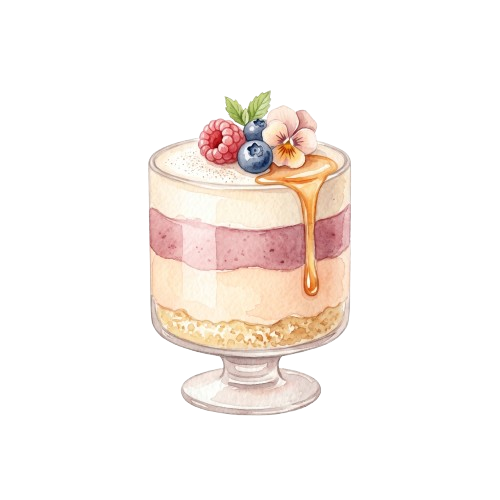
- For individual servings, bake the cheesecake in a muffin tin lined with paper liners. Reduce baking time to 20-25 minutes, or until set. These are perfect for parties and portion control.
FAQ
Q1: Why does my cheesecake crack?
A: Cheesecake cracks are a common frustration, but usually preventable. The primary culprits are usually one or a combination of the following: 1) Overmixing the batter, especially after adding eggs, which incorporates too much air. 2) Sudden temperature changes during baking or cooling, causing the cheesecake to contract too quickly. 3) Overbaking, which dries out the cheesecake and makes it shrink excessively. 4) Not using a water bath, which helps maintain an even, moist baking environment. Following the instructions for gradual cooling and minimal mixing will significantly reduce the chances of cracks when making an authentic New York cheesecake.
Q2: Do I really need a water bath?
A: Yes, a water bath (bain-marie) is highly recommended, especially for an authentic New York cheesecake. It creates a humid, consistent cooking environment, mimicking a steamed dessert. This gentle, even heat distribution prevents the edges from baking faster than the center, minimizes browning, and critically, prevents cracking. It also contributes significantly to the cheesecake’s signature smooth, silky, and creamy texture that melts in your mouth. While you *can* bake a cheesecake without one, the results are typically inferior in terms of texture and crack prevention.
Q3: How long does cheesecake last and can I freeze it?
A: Properly stored, baked cheesecake will last for about 5-7 days in the refrigerator, covered tightly. Yes, cheesecake freezes beautifully! For best results, freeze individual slices or the whole cheesecake (without toppings) on a baking sheet until firm. Then, wrap it tightly in several layers of plastic wrap and then foil to prevent freezer burn. It can be stored in the freezer for up to 1-2 months. Thaw frozen cheesecake overnight in the refrigerator before serving. This makes it an excellent make-ahead dessert, allowing you to enjoy your authentic New York cheesecake long after baking.
Q4: Can I make cheesecake ahead of time for an event?
A: Absolutely, and in fact, it’s highly recommended! Cheesecake benefits immensely from a long chill period, ideally overnight (8-12 hours). This allows the flavors to meld, the texture to firm up, and the cheesecake to become perfectly set. Making it a day or two in advance not only enhances its taste and texture but also reduces stress on the day of your event. Just remember to keep it tightly covered in the refrigerator.
Q5: What’s the main difference between New York-style and regular cheesecake?
A: The distinguishing characteristics of an authentic New York cheesecake lie primarily in its ingredients and texture. New York-style cheesecake is notably denser, richer, and creamier than other cheesecakes. It relies heavily on a large amount of full-fat cream cheese, often includes sour cream or heavy cream for extra richness and tang, and does not typically use gelatin. Many “regular” or other regional cheesecakes might have a lighter, fluffier texture, sometimes incorporating ricotta cheese, whipped egg whites, or gelatin, resulting in a less dense and less intensely creamy consistency than its New York counterpart.
References
For more sweet inspiration, visit Dessert Circle daily!
“`