
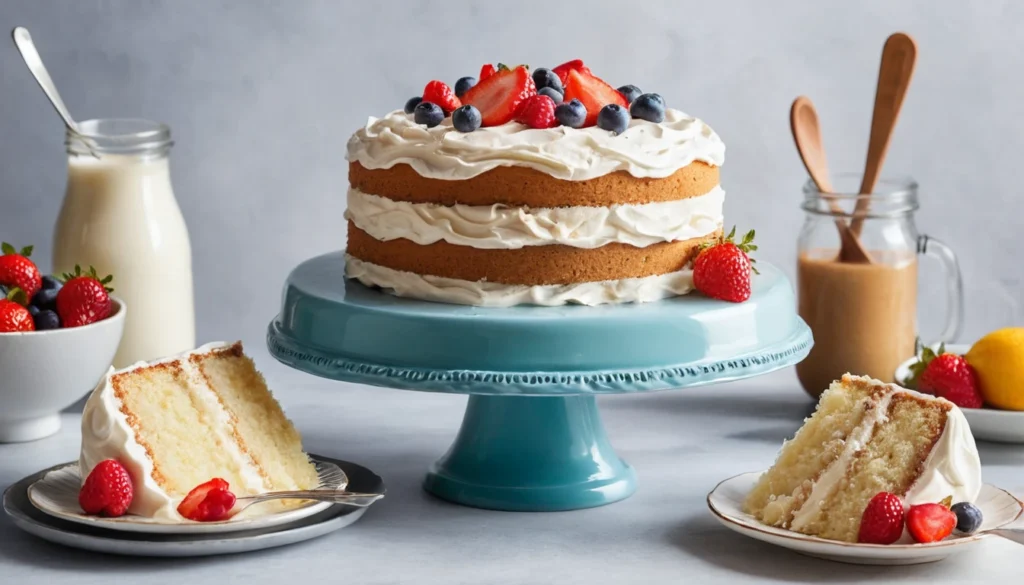
Introduction to Cake Baking
Are you prepared to embark on a delightful journey? Baking a cake is a delightful experience that can bring joy to both the baker and the eater. It’s a wonderful way to express creativity, indulge your sweet tooth, and impress your loved ones.
The Basics of Baking Before diving into the world of cake baking, it’s essential to understand the fundamental principles. These include:
- Ingredients: Flour, sugar, eggs, butter, and milk are the core ingredients in most cakes.
- Mixing Techniques: The method of mixing ingredients can significantly impact the cake’s texture. Common techniques include the creaming method and the muffin method.
- Baking Temperature and Time: The oven temperature and baking time are crucial for a perfectly cooked cake.
- Cooling Process: Allowing the cake to cool completely before frosting is essential for preventing cracks and ensuring clean slices.
The Science Behind a Perfect Cake
- Gluten Development: Understanding how gluten forms and develops in dough is key to achieving the desired texture.
- Leavening Agents: Baking powder and baking soda are commonly used to make cakes rise.
- Maillard Reaction: This chemical reaction between amino acids and reducing sugars is responsible for the browning and flavor development in cakes.
Whether you’re a seasoned baker or a novice, remember that practice makes perfect. Don’t be afraid to experiment with different flavors, techniques, and decorations. The journey to baking the perfect cake is just as rewarding as the final product.

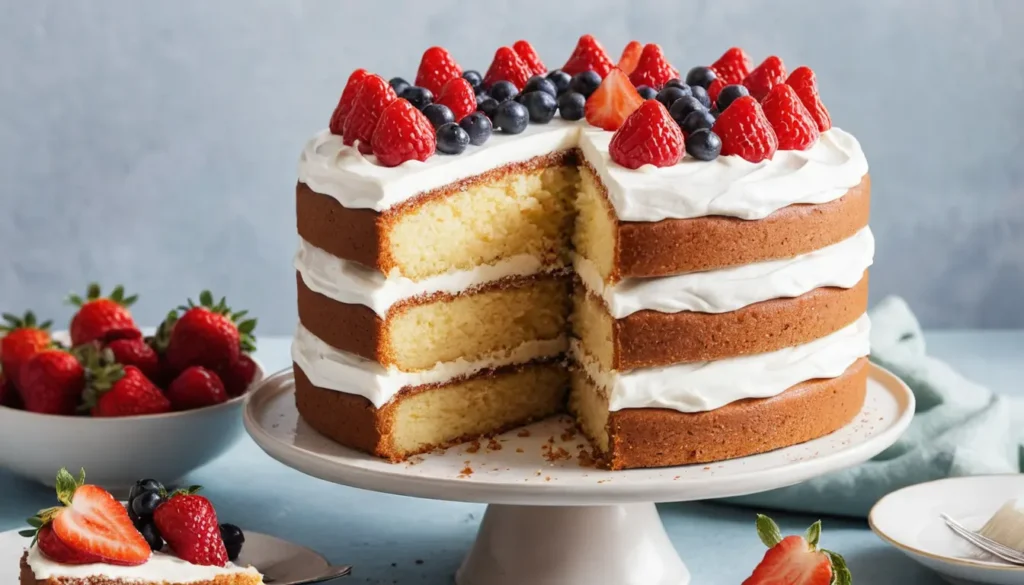
Choosing the right ingredients for your cake
The Foundation of Flavor
The quality of your ingredients can significantly impact the taste and texture of your cake. Let’s delve into the key ingredients and how to select the best ones:
Flower
- All-Purpose Flour: A versatile choice for most cakes.
- Cake flour: Lower in protein, resulting in a tender crumb.
- Bread flour: Higher in protein, ideal for sturdy cakes like pound cakes.
Sugar
- Granulated Sugar: The most common type, used for sweetness and structure.
- Powdered Sugar: Finely ground sugar, used for frostings and icings.
- Brown Sugar: Adds moisture and a rich flavor to cakes.
Eggs
- Large Eggs: Ensure they’re fresh for optimal volume and richness.
- Room-temperature eggs: they incorporate more easily into batters.
Butter
- Unsalted Butter: Gives you control over the saltiness of your cake.
- Room Temperature Butter: Creams more easily with sugar.
Milk
- Whole Milk: Adds richness and moisture.
- Buttermilk: Contributes tanginess and tenderness.
- Sour Cream: Enhances flavor and texture.
Additional Ingredients
- Chocolate: High-quality chocolate, whether dark, milk, or white, can elevate your cake’s flavor.
- Nuts: Toasted nuts like almonds, walnuts, or pecans add crunch and flavor.
- Spices: Cinnamon, nutmeg, and cardamom can create warm and comforting flavors.
- Extracts: Vanilla, almond, and lemon extracts enhance the overall taste.
Remember, the key to baking delicious cakes lies in using high-quality ingredients and measuring them accurately. Carefully choosing your ingredients will help you bake beautiful and delicious cakes.

Flour Types and Their Impact on Cake Texture
The type of flour you choose can significantly affect the texture of your cake. Let’s explore the three main types of flour used in baking:
- All-Purpose Flour: This versatile flour is a fantastic starting point for most cakes. It offers a balance of protein, resulting in a tender crumb.
- Cake flour: Lower in protein than all-purpose flour, cake flour produces a more delicate and tender crumb. It’s ideal for delicate cakes like chiffon and angel food.
- Bread flour: Higher in protein than all-purpose flour, bread flour creates a chewier texture. It’s best suited for denser cakes like pound cakes.
When choosing the right flour, consider the desired texture of your cake. For a light and airy cake, opt for cake flour. For a denser and richer cake, all-purpose or bread flour is a better choice.
The Role of Eggs in Cake Baking
Eggs are a vital ingredient in cake baking, contributing to both structure and flavor. Here’s a breakdown of their key roles:
- Structure: Egg proteins, when heated, coagulate and form a network that gives the cake its structure.
- Moisture: Eggs add moisture to the cake batter, resulting in a moist and tender crumb.
- Flavor: Eggs contribute a rich, custardy flavor to cakes.
- Emulsification: The yolks in eggs act as emulsifiers, helping to combine wet and dry ingredients.
- Leavening: When whipped, egg whites incorporate air bubbles, which expand during baking, helping the cake rise.
By understanding the role of eggs in cake baking, you can optimize your recipes and achieve the perfect texture and flavor.
Understanding Sugar and Its Variants
Sugar is a key ingredient in cake baking, providing sweetness and structure. Let’s explore the different types of sugar and their unique properties:
- Granulated Sugar: The most common type, granulated sugar is used for both sweetness and structure.
- Powdered Sugar: finely ground sugar; powdered sugar is ideal for icings and frostings. It dissolves easily in liquids, creating a smooth texture.
- Brown Sugar: This sugar comes in light and dark varieties. It adds moisture and a rich flavor to cakes.
- Demerara Sugar: A coarse, light brown sugar, demerara sugar adds texture and a subtle caramel flavor.
- Turbinado Sugar: Similar to demerara sugar, turbinado sugar has a slightly crunchy texture and a mild sweetness.
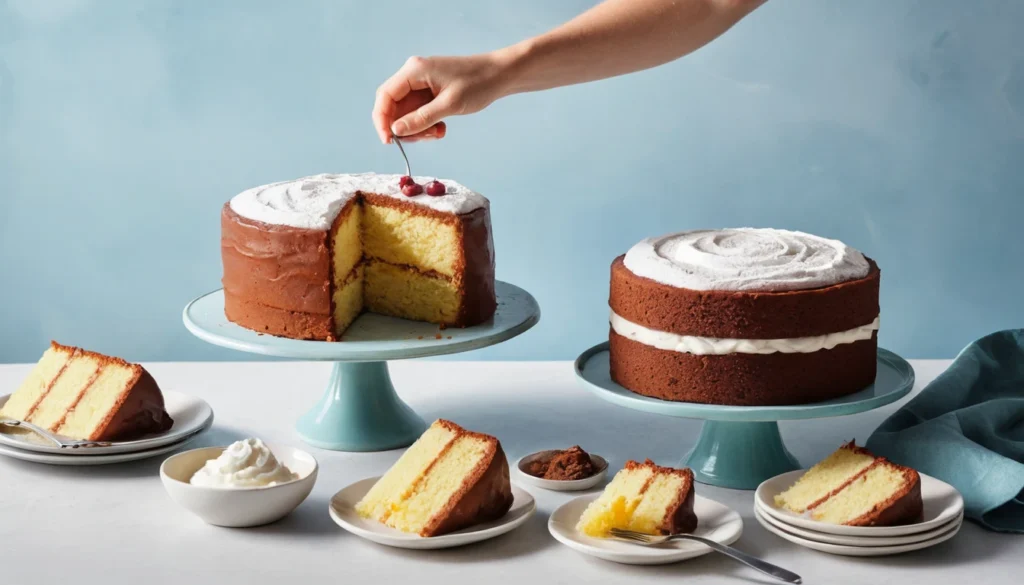
By understanding the different types of sugar and their unique properties, you can select the best sugar for your specific recipe and achieve the desired flavor and texture.
Mastering Cake Baking Techniques
Now that we’ve covered the essential ingredients, let’s dive into the techniques that will elevate your cake baking skills:
Mixing Techniques
- Creaming Method: This technique involves creaming together butter and sugar until light and fluffy. It’s ideal for cakes that require a tender crumb, such as butter cakes and pound cakes.
- Muffin Method: This method involves combining wet and dry ingredients separately and then mixing them together just until combined. It’s perfect for quick breads and cupcakes.
Baking temperatures and times
- Oven Calibration: Ensure your oven is calibrated correctly to avoid overbaking or underbaking.
- Baking Time: The baking time varies depending on the size and type of cake. Use a toothpick test to check for doneness.
- Cooling Process: Allow the cake to cool completely before frosting to prevent cracking.
Troubleshooting Common Baking Problems
- A Dense Cake: This can be caused by overmixing, too much flour, or insufficient leavening.
- A Dry Cake: This may be due to overbaking or insufficient moisture in the batter.
- A Cracked Cake: This can happen if the cake cools too quickly or if the oven temperature is too high.
By mastering these techniques, you’ll be well-equipped to bake a variety of delicious cakes. Remember, practice makes perfect! Experiment with different flavors, techniques, and decorations to find your signature style.
Mixing Methods: Creaming vs. Muffin Method
The mixing method you choose can significantly impact the texture and flavor of your cake. Let’s explore two common methods:
Creaming Method
- Ideal for: cakes that require a tender crumb, such as butter cakes and pound cakes.
- Process: Cream together butter and sugar until light and fluffy. Then, gradually add eggs, one at a time, beating well after each addition. Finally, incorporate the dry ingredients alternately with the wet ingredients, beginning and ending with the dry ingredients.
Muffin Method
- Ideal for: quick breads, muffins, and cupcakes.
- Process: Combine the dry ingredients in one bowl and the wet ingredients in another. Then, gently mix the wet and dry ingredients together just until combined. Overmixing can lead to a tough texture.
By understanding the differences between these two methods, you can select the appropriate technique for your specific recipe and achieve the desired results.
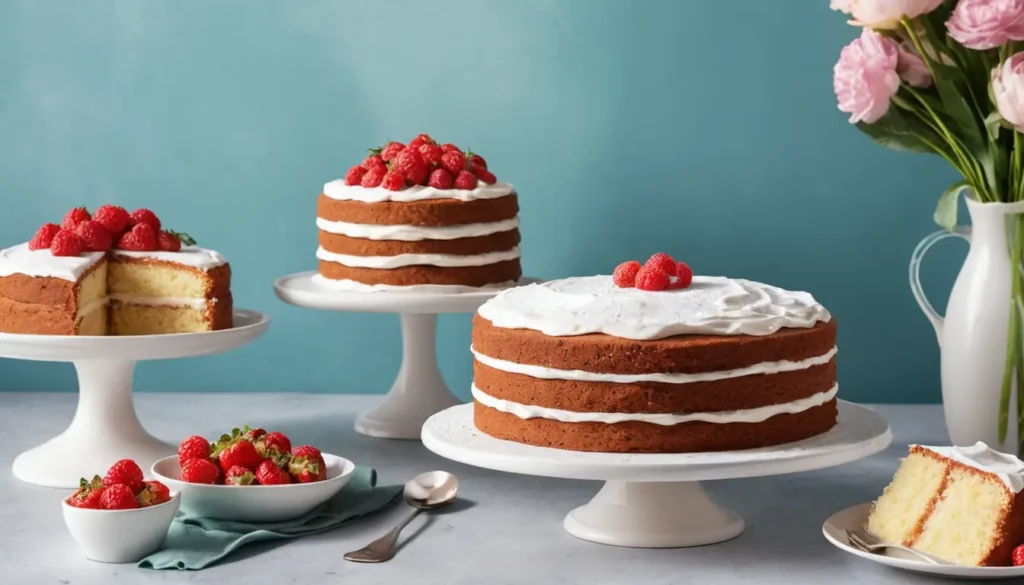
How to Properly Measure Ingredients
Accurate measurements are crucial for successful baking. Here are some tips for measuring ingredients correctly:
- Dry Ingredients: Use measuring spoons or cups to measure dry ingredients like flour, sugar, and baking powder. Level off the top of the measuring cup with a knife to ensure accurate measurements.
- Wet Ingredients: Use liquid measuring cups to measure wet ingredients like milk, oil, and eggs. Place the measuring cup on a level surface and read the measurement at eye level.
- Weight vs. Volume: While measuring by weight is more precise, measuring by volume is a common method. However, it’s important to note that variations in humidity and density can affect volume measurements.
By following these tips, you can ensure that your ingredients are measured accurately, leading to consistent and delicious results.
Baking your cake to perfection.
Now that you have a solid understanding of ingredients and techniques, let’s turn our attention to the baking process itself.
Prep the oven and pan.
- Preheat Your Oven: Preheat your oven to the specified temperature. Ensure it’s calibrated correctly for accurate baking.
- Prepare Your Pan: Grease and flour your cake pan to prevent sticking. For a non-stick finish, you can also use parchment paper.
Baking Time and Temperature
- Follow the Recipe: Adhere to the recommended baking time and temperature.
- Check for Doneness: Use a toothpick inserted into the center of the cake. If it comes out clean, your cake is done.
- Avoid Overbaking: Overbaking can lead to a dry cake.
Cooling Your Cake
- Cool in the Pan: Let the cake cool in the pan for a few minutes before inverting it onto a wire rack.
- Cool Completely: Allow the cake to cool completely before frosting. This prevents the frosting from melting and ensures clean slices.
By following these tips, you can ensure that your cake bakes evenly and comes out perfectly moist and flavorful. Remember, practice makes perfect! Experiment with different recipes, techniques, and flavors to discover your baking style.
Choosing the right bakeware
The type of bakeware you use can significantly impact the outcome of your cake. Here are some tips for selecting the right bakeware:
- Material: Metal, glass, and ceramic are common materials used for cake pans. Metal pans conduct heat evenly, while glass and ceramic pans provide slower, more gentle heat distribution.
- Size: Choose a pan size that matches the recipe. If you use a different size, adjust the baking time accordingly.
- Non-Stick Coating: Non-stick pans make it easier to remove the cake and clean up.
- Dark vs. Light Pans: Dark pans absorb heat more quickly, so you may need to adjust the baking time.
By selecting the right bakeware, you can ensure that your cake bakes evenly and releases easily from the pan.
Preheating and Oven Management
Preheating your oven is a crucial step in baking a perfect cake. It ensures that the oven reaches the desired temperature, allowing the cake to bake evenly and efficiently.
- Preheat thoroughly: Preheat your oven to the specified temperature before placing the cake batter in it.
- Avoid Opening the Oven Door: Resist the urge to open the oven door frequently while baking. This can cause the temperature to fluctuate, affecting the cake’s rise and baking time.
- Check for Hot Spots: Some ovens have hot spots, which can cause uneven baking. Rotate the pan halfway through the baking time to ensure even browning.
- Use an Oven Thermometer: An oven thermometer can help you verify the accuracy of your oven’s temperature.
By following these tips, you can effectively manage your oven and achieve consistent baking results.
Decorating your cake: turning a bake into a masterpiece
Now that your cake is baked to perfection, it’s time to turn it into a visual masterpiece. Here are some tips and techniques for decorating your cake:
Basic Frosting Techniques
- Buttercream Frosting: A classic choice, buttercream frosting is versatile and simple to work with.
- Cream Cheese Frosting: Rich and creamy, cream cheese frosting is perfect for carrot cakes and red velvet cakes.
- Ganache: A chocolate-based frosting that can be used for both drip cakes and smooth finishes.
Cake Decorating Tips
- Leveling Your Cake: Ensure your cake layers are level for a professional look.
- Crumb Coating: Apply a thin layer of frosting to seal in crumbs before adding the final layer.
- Piping Techniques: Master various piping techniques, such as star, shell, and swirl, to create beautiful designs.
- Using Sprinkles and Toppings: Add color and texture to your cake with sprinkles, chocolate chips, nuts, or fresh fruit.
Cake Decorating Ideas
- Naked Cake: A minimalist approach that showcases the cake’s layers and filling.
- Ombre Cake: A gradient effect created by blending different shades of frosting.
- Drip Cake: A dramatic look achieved by drizzling ganache or frosting down the sides of the cake.
- Themed Cakes: Customize your cake for special occasions, such as birthdays, weddings, or holidays.
Remember, the key to successful cake decorating is practice and patience. Don’t be afraid to experiment with different techniques and styles. With a little creativity and attention to detail, you can create stunning cakes that are as delicious as they are beautiful.
Frosting Techniques Basics
Frosting is the final touch that transforms a cake from excellent to great. Here are some basic frosting techniques to elevate your cake decorating skills:
- Smoothing: Use a bench scraper or offset spatula to create a smooth, flawless finish.
- Piping: A variety of piping tips can be used to create different designs, from simple borders to intricate flowers.
- Swirling: Create a rustic, homemade look by swirling the frosting with a knife or spatula.
- Drizzling: Drizzle melted chocolate or caramel over the cake for a decadent touch.
Remember, practice makes perfect. Don’t be afraid to experiment with different techniques and styles. With time and patience, you’ll be able to create stunning, professional-looking cakes.
Creative Garnishing Ideas
Garnishing your cake is the final step in creating a masterpiece. Here are some creative ideas to elevate your cake’s visual appeal:
- Fresh Fruit: Add a burst of color and flavor with fresh berries, citrus slices, or tropical fruits.
- Chocolate Drizzles: Drizzle melted chocolate over the cake for a simple yet elegant touch.
- Sprinkles: A classic way to add a festive touch. Choose from a variety of colors, shapes, and sizes.
- Edible Flowers: Add a touch of elegance with edible flowers like roses, pansies, or violets.
- Candy Decorations: Use candy, such as M&M’s, chocolate chips, or candy sprinkles, to create fun and colorful designs.
Remember, the key to successful garnishing is to keep it simple and elegant. A few well-placed decorations can make a big impact.
Common Cake Baking Mistakes and How to Avoid Them
Even the most experienced bakers make mistakes. Here are some common cake baking pitfalls and how to avoid them:
Overmixing the batter.
Overmixing can lead to a tough, chewy cake. Mix the batter just until the dry ingredients are moistened.
Incorrect Baking Temperature
An inaccurate oven temperature can result in a poorly baked cake. Use an oven thermometer to ensure accurate readings.
Under-baking or over-baking
Underbaking results in a raw center, while overbaking leads to a dry, crumbly cake. Use a toothpick test to check for doneness.
Using Stale Ingredients
Stale ingredients can affect the taste and texture of your cake. Always use fresh ingredients.
Improper Cooling
Cooling the cake too quickly or too slowly can cause it to crack or become dense. Let the cake cool completely before frosting.
Incorrect Pan Size
Using the wrong pan size can impact the baking time and the cake’s shape. Choose a pan size that matches the recipe.
Not Greasing and Flouring the Pan
Properly greasing and flouring the pan prevents the cake from sticking and ensures simple removal.
By avoiding these common mistakes and following these tips, you can bake delicious cakes every time. Remember, practice makes perfect!
Conclusion: Your Journey to Baking Perfection
So, there you have it—a comprehensive guide to baking the perfect cake. From understanding the science behind baking to mastering decorating techniques, you now have all the tools you need to create delicious and beautiful cakes.
Remember, the key to baking success is practice and patience. Don’t be afraid to experiment with different flavors, techniques, and decorations. The more you bake, the better you’ll become.
Now, it’s time to roll up your sleeves and get baking! Whether you’re a seasoned baker or just starting out, you have the potential to create stunning cakes that will impress your friends and family.
What are you waiting for? Let’s bake!