

Unlock the secrets to baking the best cakes of 2025, guaranteed to have your friends begging for your recipes. Imagine serving a dessert so exquisite, so perfectly moist and flavorful, that it becomes the talk of every gathering. Crafting the best cakes isn’t just about following a recipe; it’s about understanding the art and science behind each delectable bite. This guide will equip you with the knowledge, tools, and techniques to transform your baking from good to absolutely unforgettable.
Mastering the Fundamentals: The Science of Best Cakes
Baking is a delightful blend of art and science, and understanding the basic principles is crucial for consistently producing the best cakes. Every ingredient plays a vital role, contributing to the cake’s texture, flavor, and structure. Ignoring these fundamentals can lead to common baking woes like dry cakes, sunken centers, or crumbly textures. By mastering these basics, you lay the groundwork for baking truly exceptional desserts.
Understanding Your Ingredients
The quality and temperature of your ingredients significantly impact the final product. Always use fresh ingredients and ensure they are at the correct temperature as specified in the recipe.
– Flour: Different flours have varying protein content, affecting gluten development. Cake flour, with its lower protein, is ideal for light, tender cakes, while all-purpose flour offers a good balance for many recipes. Sifting flour is often recommended to aerate it and prevent lumps, leading to a smoother batter.
– Sugar: Beyond sweetness, sugar contributes to browning, moisture, and tenderness. Granulated sugar is common, but brown sugar adds moisture and a caramel note, while confectioners’ sugar is used for frosting.
– Eggs: Eggs act as a binder, leavening agent, and emulsifier. Using large eggs at room temperature is generally best as they incorporate more easily and create a more stable emulsion. Separating eggs and whipping whites can add significant lift.
– Butter: High-quality unsalted butter is preferred as it allows you to control the salt content. Like eggs, room temperature butter creams better with sugar, creating air pockets essential for a light texture. Melted butter creates a denser, fudgier crumb, while cold, cubed butter is used in some specialized cake recipes for flakiness.
– Leavening Agents: Baking powder and baking soda are the workhorses here. Baking soda requires an acidic ingredient (like buttermilk or vinegar) to activate, producing carbon dioxide. Baking powder is double-acting, meaning it reacts once when wet and again when heated, ensuring a consistent rise. Always check the expiration dates, as old leavening agents will result in flat cakes.
– Liquid: Milk, buttermilk, water, or coffee add moisture and help activate leavening agents. Buttermilk, due to its acidity, pairs wonderfully with baking soda to create moist, tender crumbs.
The Importance of Accurate Measurement
Baking is precise. Unlike cooking, where a pinch of this or a dash of that works, baking demands accuracy. Small deviations in ingredient quantities can drastically alter the outcome.
– Digital Scale: For the most accurate results, measure dry ingredients by weight rather than volume. A digital kitchen scale is an invaluable tool for consistent baking and is one of the secrets to the best cakes every time. Flour, in particular, can vary wildly in weight depending on how it’s scooped.
– Liquid Measuring Cups: Use clear liquid measuring cups with pour spouts, and read at eye level on a flat surface.
– Dry Measuring Cups and Spoons: Level off dry ingredients with a straight edge, such as the back of a knife, to ensure accuracy. Never pack flour unless specifically instructed to do so.
Mixing Techniques for Optimal Texture
How you mix your ingredients can determine if your cake is light and fluffy or dense and tough.
– Creaming Method: This involves beating softened butter and sugar together until light and fluffy. This process incorporates air, which is crucial for a tender crumb. It’s the most common method for butter-based cakes.
– Reverse Creaming Method: Here, butter is added to dry ingredients first, coating the flour particles and preventing gluten overdevelopment. This results in an incredibly tender, moist crumb, often favored for delicate cakes.
– One-Bowl Method: Simple and quick, all wet ingredients are combined, then added to dry ingredients. While convenient, it might not yield the same delicate texture as the creaming method.
– Folding: When adding whipped egg whites or delicate ingredients, gentle folding ensures you don’t deflate the air you’ve carefully incorporated. This is key for airy sponges.
Understanding these foundational elements will empower you to tackle any cake recipe with confidence, setting you on the path to consistently bake the best cakes.
Essential Tools for Baking the Best Cakes
Having the right tools can make all the difference in your baking journey. While some items are nice-to-haves, others are absolutely essential for efficiency, precision, and achieving professional-level results. Investing in quality tools not only makes the process more enjoyable but also helps you create the best cakes with less effort and more consistency.
Key Equipment to Elevate Your Baking
Good equipment is an extension of your skill. It allows you to execute techniques properly and ensures consistency across batches.
– Stand Mixer: A stand mixer is a game-changer for serious bakers. It handles creaming butter and sugar, whipping egg whites, and mixing doughs with ease, freeing your hands for other tasks. While an investment, a good stand mixer will last for years and streamline countless baking projects.
– Digital Kitchen Scale: As mentioned earlier, this is a non-negotiable for accuracy. Precise measurements are the backbone of successful baking.
– Quality Baking Pans: Non-stick pans are a must. Invest in a variety of sizes and shapes – round, square, loaf, and Bundt pans. Heavy-gauge aluminum or steel pans conduct heat evenly, preventing burnt edges and raw centers. Light-colored pans tend to bake more evenly than dark ones, which can cause over-browning.
– Oven Thermometer: Your oven’s thermostat might not be accurate. An inexpensive oven thermometer gives you the true temperature, preventing under or over-baking. This small tool can significantly improve your results.
– Rubber Spatulas: Essential for scraping bowls clean, folding ingredients gently, and ensuring no batter goes to waste. Have several on hand.
– Wire Rack: Crucial for cooling cakes completely. Cooling on a rack allows air circulation on all sides, preventing condensation and soggy bottoms.
– Parchment Paper: For lining cake pans, preventing sticking, and ensuring easy release. Pre-cut rounds are a fantastic time-saver.
– Sifter: Ensures your dry ingredients are lump-free and aerated, leading to a lighter crumb.
Comparison of Essential Baking Tools for Best Cakes
To truly bake the best cakes, you need reliable equipment. Here’s a comparison of some core tools that every aspiring cake baker should consider.
| Product | Price | Pros | Cons | Best For |
|---|---|---|---|---|
| KitchenAid Artisan Stand Mixer | $300-400 | Powerful motor, versatile attachments, durable build, iconic design. Handles thick batters and doughs with ease. | High upfront cost, heavy and takes up counter space. | Frequent bakers, large batches, complex recipes requiring extensive mixing. |
| OXO Good Grips 11 lb Food Scale with Pull-Out Display | $50-60 | Highly accurate, easy-to-read pull-out display for large plates, simple interface, tare function. | Batteries required, not waterproof for heavy spills. | Precision baking, portion control, consistently accurate ingredient measurement. |
| Wilton Recipe Right Round Cake Pans (Set of 2) | $15-25 | Affordable, non-stick coating, even heat distribution, standard sizes for layer cakes. | Non-stick can scratch over time, lighter gauge metal than professional pans. | Beginner bakers, everyday baking, standard layer cake recipes. |
| Nordic Ware Bundt Pan | $25-40 | Heavy-duty cast aluminum, excellent heat conduction, beautiful intricate designs, non-stick coating. | Higher cost per pan, requires careful greasing to release complex designs. | Show-stopping Bundt cakes, impressive presentation, special occasions. |
| Taylor Precision Products Classic Oven Thermometer | $10-15 | Accurate temperature readings, easy to hang or stand, no batteries needed, affordable. | Analog display might be harder to read for some, can be fragile if dropped. | Ensuring accurate oven temperature for consistent baking results. |
Investing in these tools will not only make your baking experience more efficient but will significantly improve the quality and consistency of your cakes, propelling you towards baking the best cakes every single time.
Elevating Flavors: Beyond Vanilla and Chocolate
While classic vanilla and chocolate cakes are timeless favorites, the world of cake flavors is vast and exciting. Expanding your flavor repertoire is key to surprising and delighting your friends, and truly baking the best cakes. Don’t be afraid to experiment with unique combinations and seasonal ingredients.
Exploring Unique Flavor Pairings
Think beyond single flavors and consider how different ingredients can complement and enhance each other.
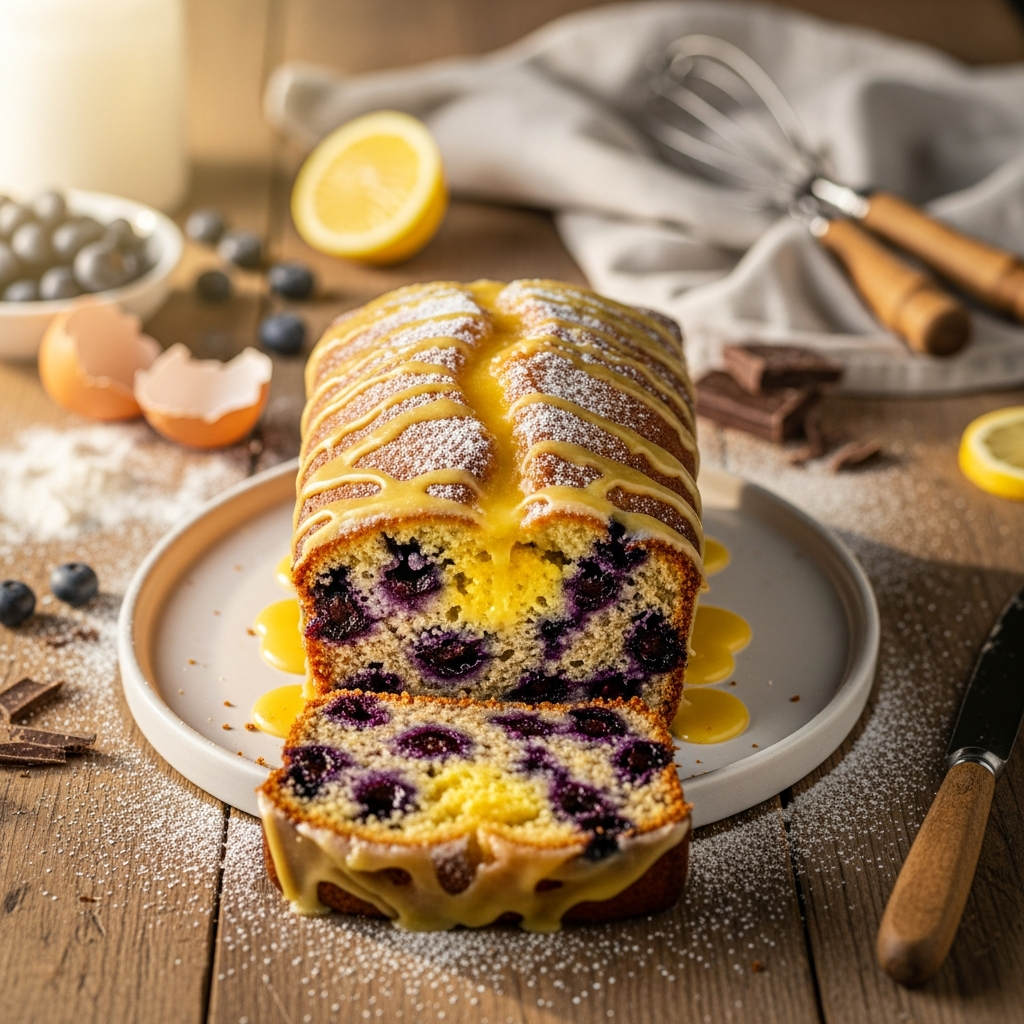
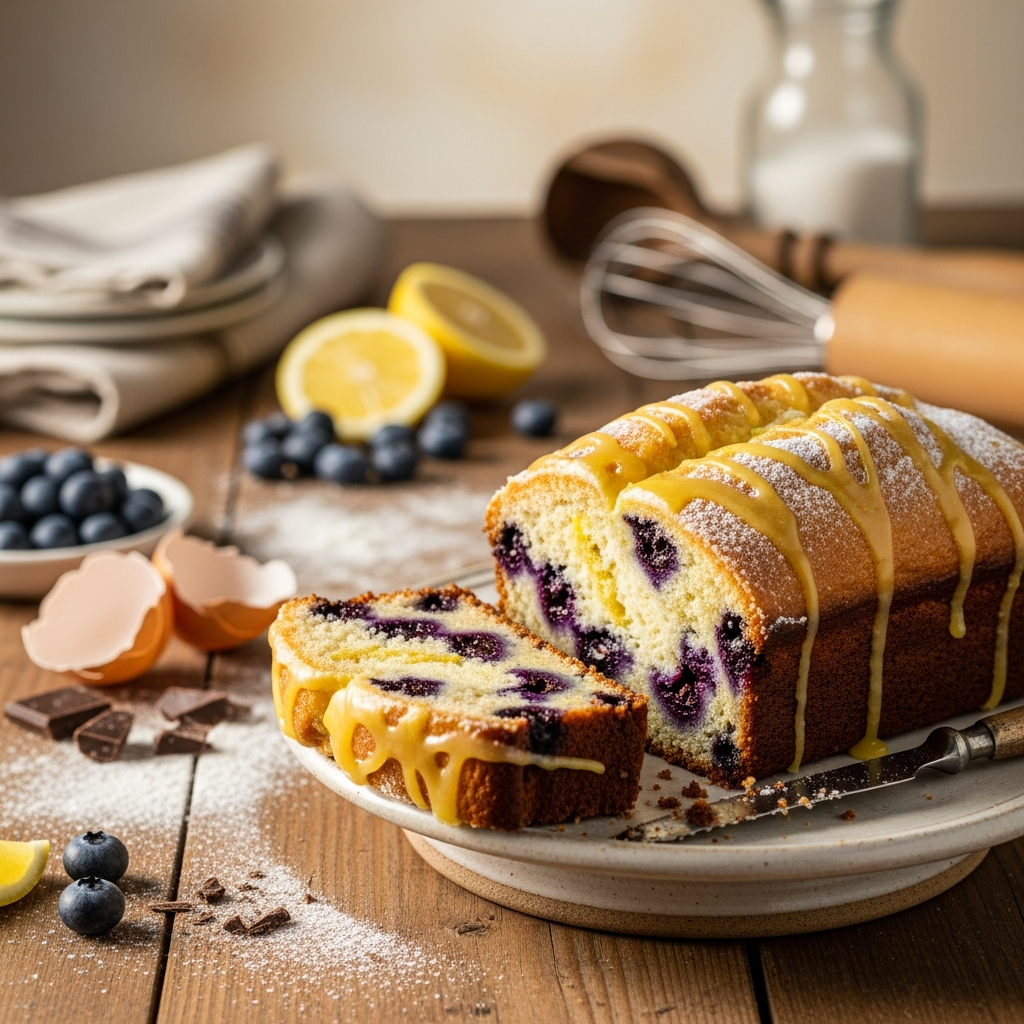
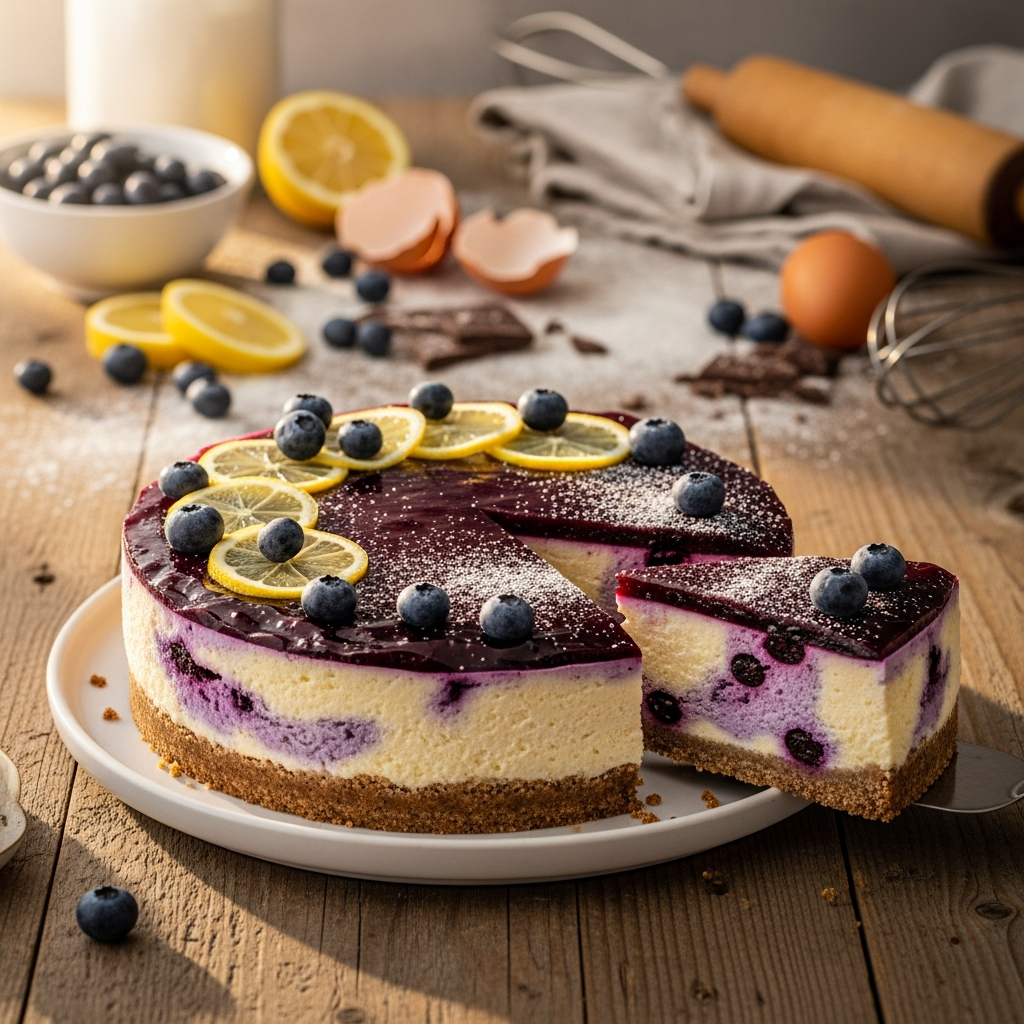
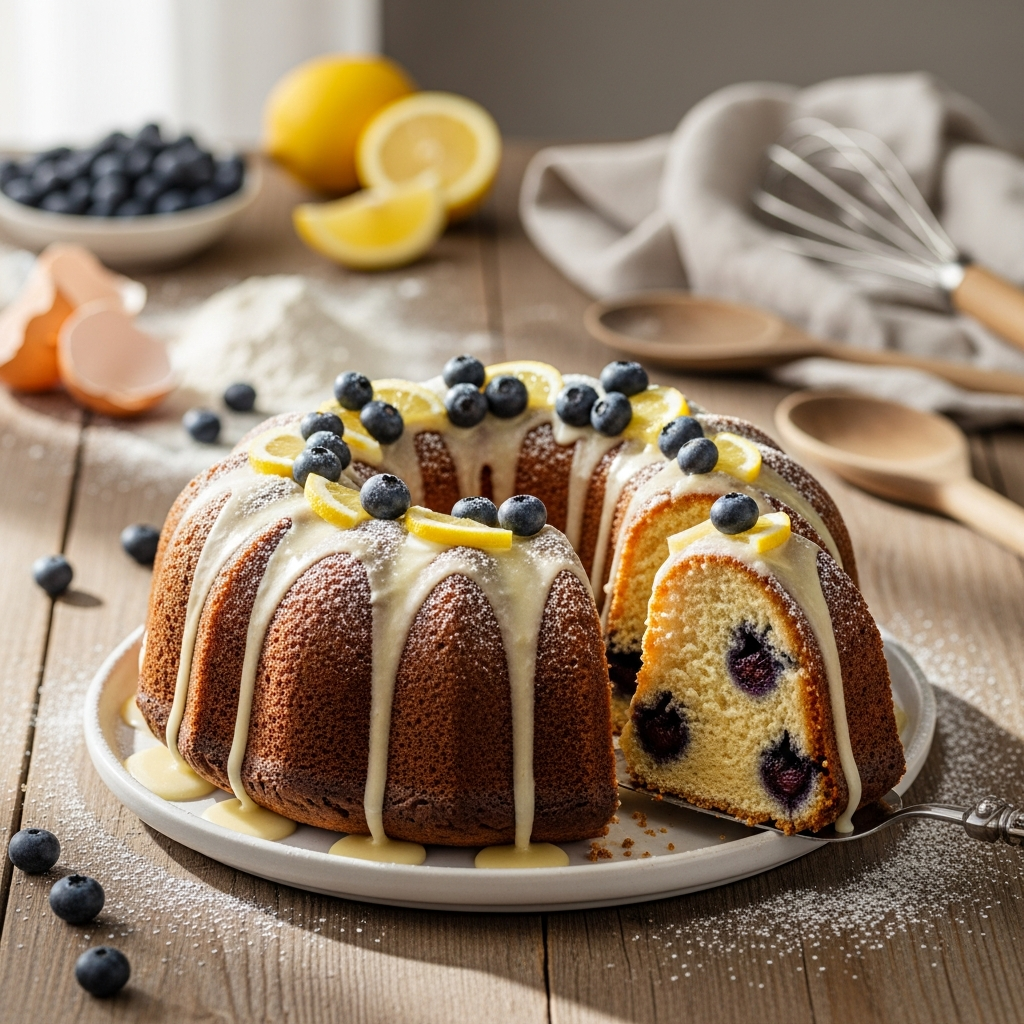
– Citrus and Berry: Lemon and raspberry, orange and cranberry, lime and coconut. The bright acidity of citrus cuts through sweetness and pairs beautifully with the freshness of berries. A lemon blueberry cake with a cream cheese frosting is always a crowd-pleaser.
– Herbs and Spices: Rosemary and olive oil cake, lavender and honey, cardamom and pistachio. Herbs add an unexpected sophistication, while spices bring warmth and depth. Imagine a pear and ginger cake with a spiced buttercream – unique and memorable.
– Coffee and Caramel: A classic pairing that adds richness. Mocha cakes, caramel lattes, and coffee-infused glazes are always a hit. Adding a hint of espresso powder to chocolate cake batter can deepen the chocolate flavor without making it taste explicitly like coffee.
– Nuts and Fruits: Almond and cherry, hazelnut and fig, pecan and apple. Nuts add texture and a nutty depth, while fruits provide natural sweetness and moisture. A frangipane tart or an apple pecan bundt cake showcases these pairings beautifully.
Incorporating Seasonal Ingredients
The freshest ingredients yield the most vibrant flavors. Tailor your cake creations to the seasons to take advantage of peak produce.
– Spring: Rhubarb, strawberries, elderflower. Think strawberry shortcake, rhubarb crumble cake, or a delicate elderflower sponge.
– Summer: Peaches, blueberries, raspberries, cherries. Peach cobbler cake, lemon blueberry ricotta cake, or a vibrant raspberry white chocolate cake. These fruits make for some of the best cakes for summer gatherings.
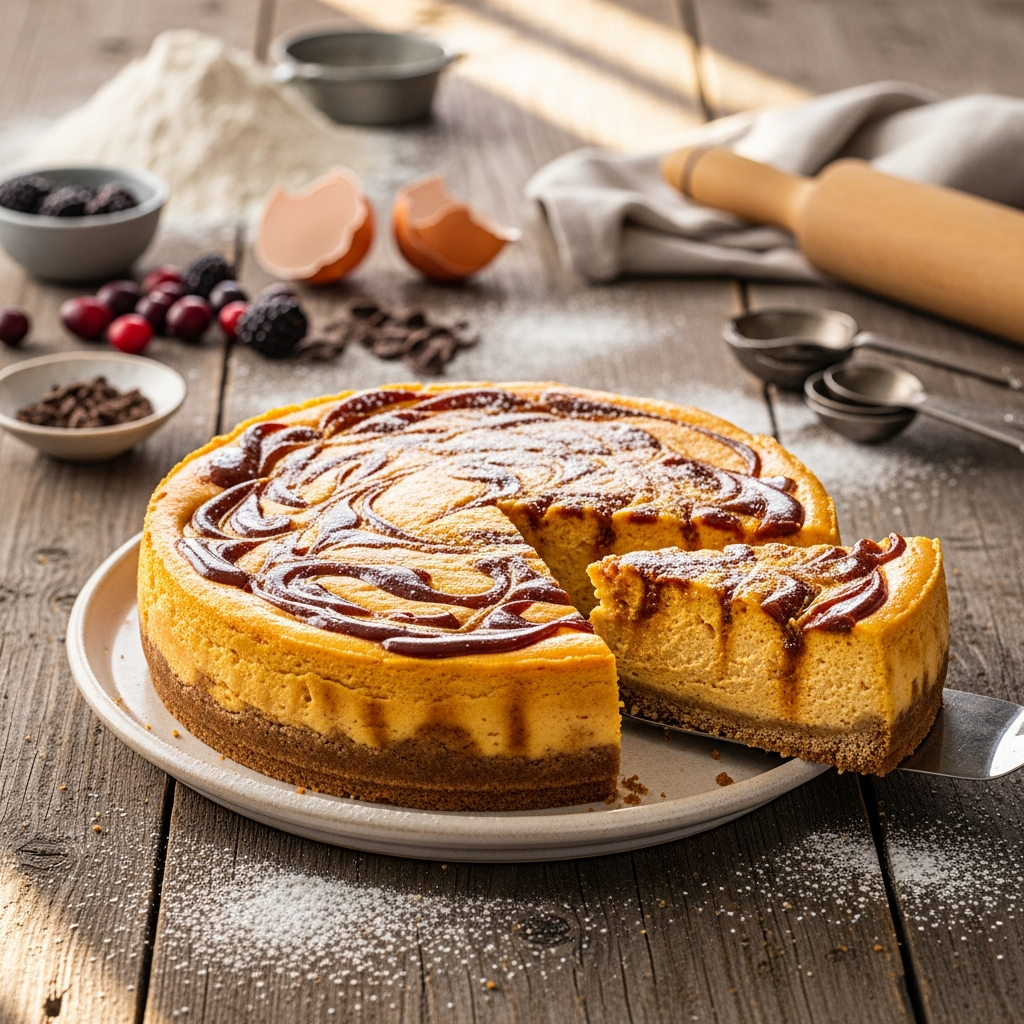
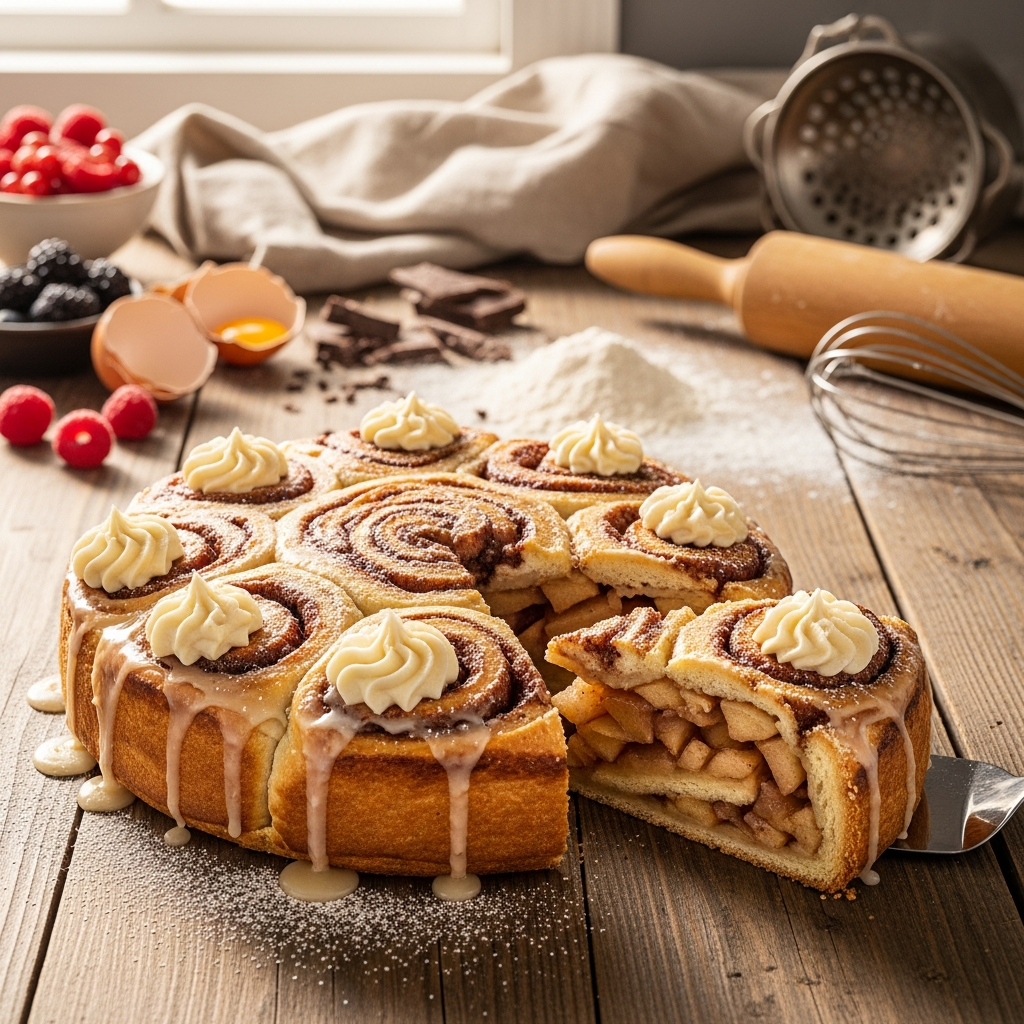
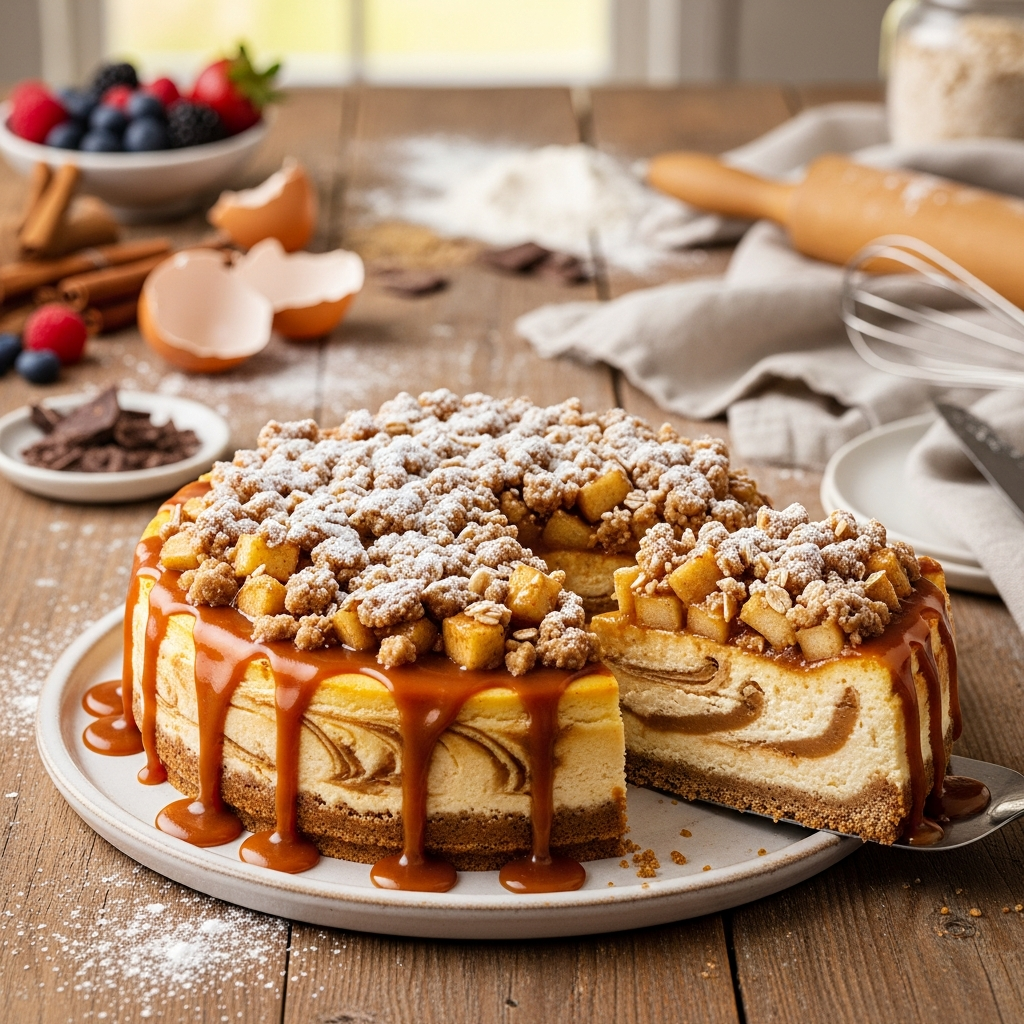
– Autumn: Apples, pumpkin, pear, figs, cranberries. Spiced apple cider cake, pumpkin spice latte cake, pear and almond cake, or a cranberry orange loaf.
– Winter: Citrus (blood orange, grapefruit), pomegranates, warming spices. Blood orange olive oil cake, gingerbread cake, or a classic holiday fruitcake (modernized, of course!).
Creating Your Own Signature Flavors
Don’t be afraid to experiment! Start with a basic vanilla or plain cake recipe and introduce new elements.
– Infusions: Steep tea bags (Earl Grey, chai) in milk for the batter, or infuse simple syrups with herbs like mint or basil.
– Zests and Extracts: Citrus zests provide intense flavor without adding much liquid. High-quality extracts (almond, peppermint, coconut) can transform a simple batter.
– Liqueurs: A splash of liquor (Grand Marnier, Kahlua, rum) can add depth and moisture. Brush cooled cake layers with a liquor-infused simple syrup for an extra kick.
– Textural Additions: Fold in chocolate chips, chopped nuts, dried fruits, or candied ginger for added interest and bite.
By thoughtfully combining flavors and utilizing the best seasonal ingredients, you can elevate your cakes from simple desserts to extraordinary culinary experiences, truly making them the best cakes your friends have ever tasted.
Achieving the Perfect Texture: Moist, Fluffy, and Tender
The best cakes are renowned not just for their flavor, but for their impeccable texture. A cake that is dry, crumbly, or too dense can be disappointing, no matter how delicious the frosting. Achieving that coveted moist, fluffy, and tender crumb requires attention to detail at every stage of the baking process.
Hydration is Key
Moisture content is paramount for a tender crumb. Several factors influence how moist your cake will be.
– Liquid Ratio: Ensure your recipe has a good balance of wet to dry ingredients. Too much flour or not enough liquid will result in a dry cake.
– Fats: Butter, oil, and sometimes cream cheese contribute significantly to moisture. Oil-based cakes often stay moist longer than butter-based cakes because oil is liquid at room temperature.
– Buttermilk and Sour Cream: The acidity in these ingredients reacts with baking soda to create a finer, more tender crumb. They also add a richness and moisture that is hard to replicate.
– Purees: Adding fruit or vegetable purees like applesauce, mashed banana, pumpkin puree, or even avocado can significantly boost moisture without adding excessive fat. These are often used as fat substitutes in healthier recipes.
Preventing Dryness and Over-baking
Over-baking is the quickest way to ruin a cake’s texture. Even a minute or two too long can turn a perfectly moist cake into a dry one.
– Oven Temperature: Always preheat your oven fully and consider using an oven thermometer to ensure accuracy. An oven that runs too hot can cook the outside of the cake too quickly, leaving the inside raw, or drying out the entire cake.
– Doneness Test: Rely on visual cues and the toothpick test. A cake is typically done when the edges pull away slightly from the pan, the top springs back when lightly touched, and a toothpick inserted into the center comes out with moist crumbs, but no wet batter. A clean toothpick means it’s likely overcooked.
– Cooling Correctly: Once out of the oven, allow cakes to cool in their pans on a wire rack for 10-15 minutes (or as specified in the recipe) before inverting. This allows the cake to set and firm up. Cooling completely on a wire rack prevents condensation, which can lead to a soggy bottom.
Techniques for a Fluffy and Tender Crumb
Beyond ingredients, specific techniques ensure a light and airy texture.
– Sifting Dry Ingredients: This aerates the flour, preventing lumps and making it easier to incorporate into the wet ingredients without overmixing.
– Creaming Butter and Sugar: As discussed, this method incorporates air into the butter, creating tiny pockets that expand in the oven, leading to a light and fluffy cake.
– Don’t Overmix: Once you add the dry ingredients to the wet, mix *just until combined*. Overmixing develops gluten, which can lead to a tough, chewy cake. A few small lumps of flour are better than an overmixed batter.
– Room Temperature Ingredients: Eggs and butter at room temperature emulsify better, creating a smoother, more uniform batter with better air incorporation.
– Gentle Folding: When adding delicate ingredients like whipped egg whites or fruit, use a gentle folding motion to preserve the air and volume.
By diligently following these guidelines, you’ll be consistently baking the best cakes with that perfect, melt-in-your-mouth texture that everyone craves.
Decorating Like a Pro: Presentation is Key
While taste and texture are paramount, the visual appeal of a cake is what often captures attention first. Beautifully decorated cakes, even simple ones, elevate the entire experience. Learning a few professional decorating tricks can transform your homemade creations into truly stunning centerpieces, making them not just the best cakes to eat, but also the best cakes to behold.
Choosing the Right Frosting
The frosting is the cake’s crowning glory, and selecting the right type can enhance both flavor and aesthetics.
– Buttercream: The most popular choice, buttercream comes in various forms (American, Swiss Meringue, Italian Meringue, French Meringue). American buttercream is the easiest but can be very sweet. Swiss and Italian meringue buttercreams are silkier, less sweet, and more stable for decorating. These are ideal for intricate piping.
– Cream Cheese Frosting: Tangy and rich, perfect for red velvet, carrot, or pumpkin cakes. It’s softer than most buttercreams, so best for simple swirls or a smooth finish.
– Ganache: A luxurious blend of chocolate and cream, ganache can be poured over cakes for a smooth, shiny finish or whipped for a rich, fluffy frosting.
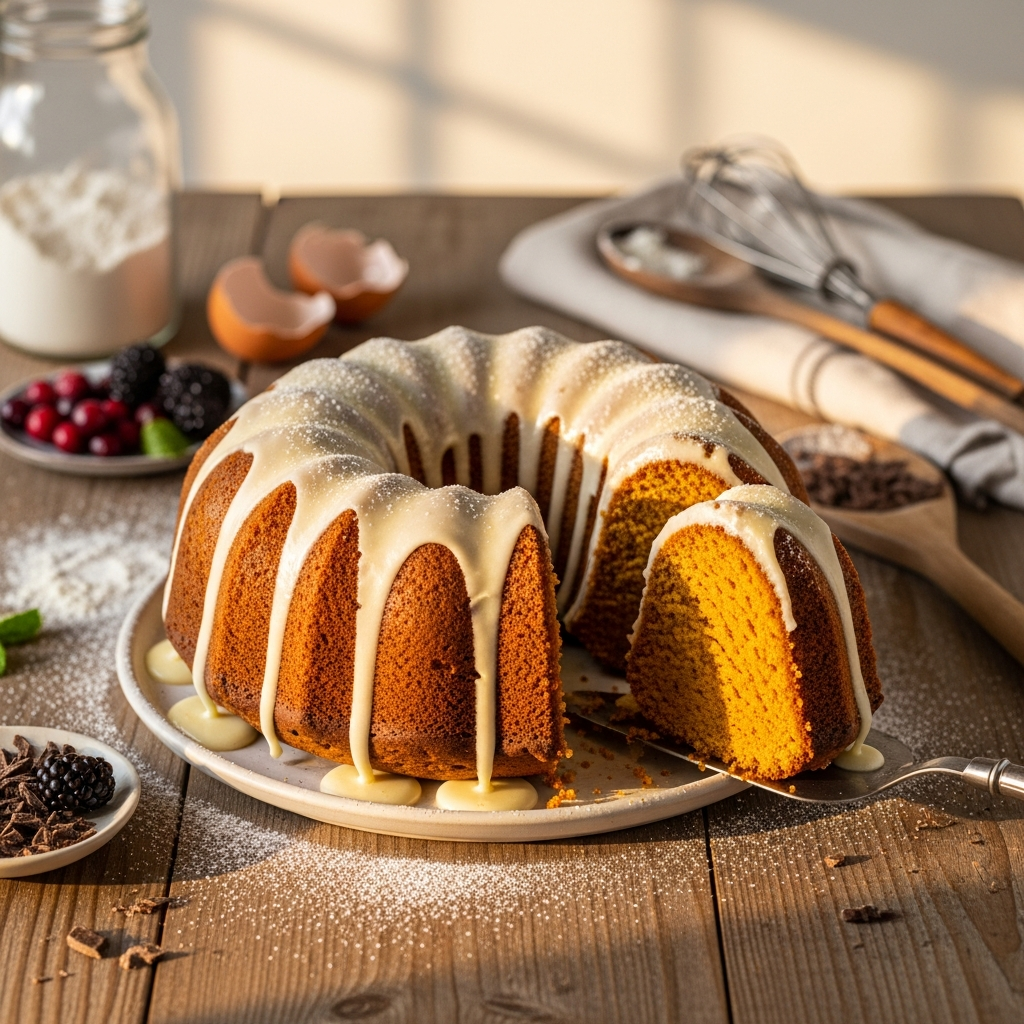
– Glazes and Drips: Simple glazes (powdered sugar and liquid) add a subtle sweetness and shine, while chocolate or caramel drips create a dramatic, professional look.
Essential Decorating Tools
You don’t need a full patisserie kit to start. A few key tools will get you far.
– Offset Spatula: Essential for smoothly spreading frosting on cakes. The offset handle keeps your knuckles clear of the cake surface.
– Bench Scraper/Cake Smoother: For achieving perfectly smooth sides on your frosted cakes. It’s a game-changer for a polished finish.
– Piping Bags and Tips: A basic set of piping bags (disposable or reusable) and a few essential tips (round, star, leaf) will allow you to pipe borders, rosettes, and simple designs.
– Turntable: A cake turntable allows you to rotate the cake smoothly as you frost and decorate, making the process much easier and resulting in a cleaner finish.
Simple Techniques for Stunning Cakes
You don’t need to be a professional cake decorator to make your cakes look amazing.
– The Crumb Coat: Always apply a thin layer of frosting (the “crumb coat”) to your cooled cake first. Chill it in the fridge for 15-20 minutes until firm. This traps any loose crumbs, ensuring a smooth, crumb-free final layer of frosting. This step is critical for a professional finish.
– Smooth Sides: After the crumb coat, apply a generous layer of frosting. Use your offset spatula to spread it, then use a bench scraper held perpendicular to the cake, rotating the turntable to smooth the sides. Scrape off excess frosting from the scraper after each pass.
– Sharp Edges: Once the sides are smooth, use the offset spatula to gently pull any excess frosting from the top edge towards the center of the cake, creating a clean, sharp top edge.
– Basic Piping: Start with simple borders using a star tip or round tip. Practice on a piece of parchment paper until you get the feel of it. Rosettes are also surprisingly easy to master and look very impressive.
– Garnishes: Fresh berries, chocolate shavings, edible flowers, a dusting of powdered sugar, or a sprinkle of toasted nuts can instantly elevate a simple cake. These effortless additions make the best cakes even more appealing.
With a little practice and the right tools, you can transform your delicious homemade cakes into visual masterpieces, proving that the best cakes delight all the senses.
Troubleshooting Common Cake Baking Problems
Even experienced bakers encounter issues. Understanding why problems occur and how to fix or prevent them is a crucial step toward consistently baking the best cakes. Don’t get discouraged by a baking mishap; view it as a learning opportunity.
Why Cakes Fail: Common Issues and Solutions
Knowing the cause of a problem helps in preventing it next time.
– Cake Sinks in the Middle:
– Cause: Oven door opened too soon, underbaked cake, too much leavening, too much liquid, or oven temperature too low.
– Solution: Resist opening the oven door during the first two-thirds of baking. Ensure accurate oven temperature. Test for doneness properly. Measure leavening agents precisely.
– Dry or Crumbly Cake:
– Cause: Over-baking, too much flour, not enough liquid or fat, ingredients not at room temperature, or overmixing.
– Solution: Use an oven thermometer. Measure flour by weight. Follow liquid/fat ratios. Ensure room temperature ingredients. Mix just until combined.
– Cake is Dense or Tough:
– Cause: Overmixing the batter (developing too much gluten), too little leavening, ingredients too cold, or not enough fat.
– Solution: Mix flour and liquid ingredients minimally. Check leavening dates. Use room temperature ingredients. Ensure correct fat amounts.
– Cake is Too Brown on Top, Raw in Middle:
– Cause: Oven temperature too high.
– Solution: Use an oven thermometer to verify temperature. Reduce oven temperature slightly and bake longer. You can loosely tent the top with foil if it’s browning too quickly.
– Cake Sticks to the Pan:
– Cause: Pan not properly greased and floured/lined with parchment, or cooling too long in the pan.
– Solution: Always grease pans thoroughly and line bottoms with parchment paper. Use a baking spray with flour. Follow cooling instructions carefully, removing from the pan at the recommended time.
– Unevenly Baked Cake:
– Cause: Hot spots in the oven, pan warped, or batter unevenly distributed.
– Solution: Rotate the cake halfway through baking. Use an oven thermometer to identify hot spots. Invest in quality pans. Ensure batter is spread evenly in the pan.
The Value of Keeping a Baking Journal
A simple journal can be your best friend in preventing future mishaps and ensuring your path to consistently baking the best cakes.
– Record Details: Note down the recipe name, date, oven temperature, baking time, specific pan used, and any substitutions made.
– Document Outcomes: Describe the cake’s texture, flavor, appearance, and any problems encountered.
– Personal Adjustments: If a cake was too dry, note “next time, add 2 tablespoons more milk.” If it was too sweet, “reduce sugar by 1/4 cup.”
– Learn from Mistakes: Reviewing your journal helps you identify patterns in baking failures and successes. This iterative process is how you refine your skills and truly master the art of baking.
By proactively troubleshooting and meticulously documenting your baking journey, you’ll overcome challenges, refine your techniques, and consistently deliver the best cakes imaginable. Every cake, even a flawed one, provides valuable data for your next perfect bake.
Armed with these insights, you are now ready to embark on a delightful baking adventure, creating the best cakes that will undoubtedly impress and delight everyone fortunate enough to taste them. From understanding the science of ingredients to mastering decorating techniques, each step brings you closer to baking perfection. Don’t be afraid to experiment, learn from your experiences, and most importantly, enjoy the process. Your kitchen is about to become the go-to spot for truly unforgettable desserts. So preheat your ovens, gather your ingredients, and get ready to bake the best cakes of 2025.
For more insights or collaboration opportunities, visit www.agentcircle.ai.
Frequently Asked Questions (FAQ)
What is the most common reason for a dry cake?
The most common reason for a dry cake is over-baking. Even a few minutes too long in the oven can evaporate too much moisture from the cake. Other factors include too much flour, not enough fat or liquid, or ingredients that are too cold.
How do I know if my oven temperature is accurate?
You can verify your oven’s accuracy by placing an inexpensive oven thermometer inside. Leave it in the oven for at least 15-20 minutes after preheating to get a true reading. Many home ovens can be off by 25-50 degrees Fahrenheit, significantly impacting baking results.
Can I substitute oil for butter in a cake recipe?
While possible in some recipes, it’s not always a direct 1:1 substitution. Oil tends to make cakes very moist and tender, but they may lack the rich flavor and structure that butter provides. Butter also contributes to browning. If substituting, choose a neutral-flavored oil like canola or vegetable oil, and be prepared for a slightly different texture and flavor profile.
What is a crumb coat and why is it important?
A crumb coat is a thin layer of frosting applied to a cooled cake before the final decorative layer. Its purpose is to trap any loose crumbs, preventing them from mixing into your beautiful final frosting. After applying, chill the cake until the crumb coat is firm, then proceed with your main frosting layer for a smooth, professional finish.
How can I prevent my cake from sinking in the middle?
To prevent a cake from sinking, ensure you do not open the oven door during the first two-thirds of the baking time. Also, confirm your oven temperature is accurate (not too low) and avoid overmixing the batter. Make sure your leavening agents (baking powder/soda) are fresh, and avoid using too much liquid in your recipe.
References and Further Reading
- King Arthur Baking: Cake Baking Tips & Troubleshooting
- Sally’s Baking Addiction: Essential Baking Tips
- Food Network: The Ultimate Guide to Baking Cakes
- Wilton: Cake Decorating Ideas & Techniques
- Betty Crocker: How to Bake a Cake Perfectly


Leave a Reply